

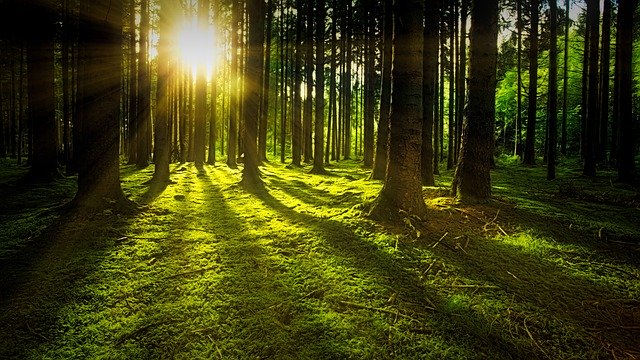
Ask ten people what forestry means, and most will probably give the same answer: planting trees. It is an understandable assumption, but it tells only a small part of the story.
A tree can be planted in a few minutes. Growing a healthy forest takes decades of planning, science, and careful management. Foresters think beyond the next rainy season. They consider how forests will provide water, timber, wildlife habitat, and livelihoods for generations.
That is what forestry is really about.
Forestry is the science and practice of managing forests, trees, and woodland landscapes so they continue serving people and nature over the long term. It combines ecology, biology, economics, engineering, climate science, and public policy into one discipline. The goal is not simply to increase the number of trees, but to ensure forests remain healthy, productive, and resilient.
This matters because forests quietly support almost every aspect of life in Kenya.
The country’s major water towers supply rivers that feed homes, farms, industries, and hydroelectric power stations. Forests stabilise soils, regulate local climates, store carbon, and provide habitat for thousands of plant and animal species. They also produce timber, utility poles, fuelwood, medicinal plants, honey, fibres, and many other products that support households and businesses.
Kenya’s forestry sector is changing rapidly.
Government restoration programmes, private tree farming, carbon markets, community forestry, and climate action have pushed forestry into national conversations in ways that were uncommon just a decade ago. Farmers now see trees as crops. Investors view plantations as long-term assets. Researchers continue developing better species and management practices. At the same time, conservation organisations are working to restore degraded landscapes and protect natural forests.
These changes reflect a simple reality. Forestry is no longer a niche profession. It influences agriculture, construction, manufacturing, tourism, environmental conservation, and national development.
Whether you are a student learning about natural resources, a farmer deciding which trees to plant, an investor exploring commercial forestry, or simply someone who wants to understand Kenya’s landscapes better, this guide provides a practical foundation. By the end, you’ll understand not only what forestry is, but also why it has become one of the country’s most valuable long-term investments.
What Is Forestry?
Forestry is often defined in a single sentence, but the discipline itself is far broader than most definitions suggest.
At its core, forestry is the science, art, and practice of establishing, managing, conserving, and using forests and tree resources in ways that balance environmental, economic, and social needs. Every decision made in forestry considers both today’s benefits and tomorrow’s consequences.
Unlike many land-based industries, forestry works on long time horizons.
A maize farmer measures success over months. A forester may measure it over thirty years. Trees planted today could still be growing when the next generation takes over the land. That long-term perspective shapes every stage of forest planning, management, and conservation.
Good forestry asks important questions before a single tree is planted.
Which species are suitable for the site? How much rainfall does the area receive? What soils are present? Will the trees protect a watershed, produce timber, restore degraded land, or provide habitat for wildlife? The answers determine how the forest is established and how it will be managed throughout its life.
This is why forestry is considered both a science and a profession. It combines research with practical decision-making to ensure forests continue delivering value without exhausting the natural resource.
Forestry Definition
In practice, it includes much more than planting, growing, or harvesting timber. Forestry covers everything from restoring degraded landscapes and protecting endangered ecosystems to managing commercial plantations and supporting rural livelihoods.
A modern forestry programme may involve:
- Growing high-quality timber.
- Conserving indigenous forests.
- Protecting water catchments.
- Restoring degraded land.
- Supporting biodiversity.
- Managing forest fires.
- Producing non-timber forest products.
- Monitoring forest health.
- Researching improved tree species.
- Working with local communities to manage shared forest resources.
Each activity contributes to the same objective: ensuring forests continue providing benefits without being permanently degraded.
A Simple Definition
Forestry is the practice of growing, managing, protecting, and using forests and trees responsibly.
It focuses on making sure forests continue providing benefits for both present and future generations.
A Technical Definition
Forestry is a multidisciplinary field that combines ecology, silviculture, soil science, hydrology, economics, policy, and environmental management to ensure forests remain productive, healthy, and sustainable.
While this definition sounds technical, the idea is straightforward.
Forestry brings together different areas of knowledge to help people care for forests in the best possible way.
The Scope of Forestry
Few environmental disciplines are as diverse as forestry.
A forester may spend one day measuring tree growth in a plantation and the next assessing biodiversity in a protected forest. Others specialise in tree breeding, remote sensing, forest economics, watershed management, wildfire prevention, or climate research.
Forestry also overlaps with many other professions.
Agriculture depends on forests to protect soils and regulate water supplies. Wildlife conservation relies on healthy habitats. Urban planning increasingly includes tree cover to improve air quality and reduce heat. Climate scientists study forests because they store vast amounts of carbon and help regulate global temperatures.
This broad scope explains why forestry is often described as both a natural science and a land management discipline.
The Objectives of Forestry
Every forestry project begins with a purpose.
Some forests are managed primarily for conservation. Others are established for timber production, watershed protection, recreation, research, or community livelihoods. Many serve several of these functions at the same time.
Despite these differences, the objectives remain remarkably consistent.
Healthy forests are more productive, more resilient, and better able to support people and wildlife. Sustainable management protects those benefits while ensuring future generations inherit forests that are at least as valuable as those we enjoy today.
That philosophy has shaped modern forestry around the world, including here in Kenya. Understanding how it developed helps explain why today’s forestry practices look very different from those of the past.
The Science Behind Forestry
Walk into a healthy forest and it is easy to focus on the trees. What you don’t see is the complex system working beneath the canopy.
Every tree depends on soil, water, sunlight, microorganisms, insects, wildlife, and climate. Remove or weaken one part of that system, and the entire forest begins to change. That is why modern forestry relies on science rather than guesswork.
A forester rarely asks, “How many trees can we grow here?” The better question is, “How do we manage this ecosystem so it remains healthy, productive, and resilient for decades?” Answering that question requires knowledge from several scientific disciplines.
Forest Ecology
Ecology is the foundation of forestry.
It studies how living organisms interact with each other and with their environment. In a forest, that means understanding the relationships between trees, shrubs, fungi, wildlife, insects, soil organisms, and climate.
A forest is not simply a collection of trees growing together. It is a living ecosystem where every species plays a role. Some trees provide food for birds and insects. Others stabilise riverbanks, enrich soils, or create habitat for mammals. Even fallen logs contribute by returning nutrients to the soil and supporting fungi and microorganisms.
When one part of the ecosystem changes, the effects spread quickly. Removing too many mature trees, introducing an invasive species, or changing natural water flow can alter the balance of the entire forest.
That is why foresters manage ecosystems, not just individual trees.
Silviculture
If ecology explains how forests function, silviculture explains how they are grown and managed.
Silviculture is the branch of forestry concerned with establishing, tending, harvesting, and regenerating forests. It combines scientific knowledge with practical field management to produce healthy forests that meet specific objectives.
Think of silviculture as long-term forest care.
A silviculturist decides:
- Which tree species suit a particular site.
- How seedlings should be planted.
- How far apart trees should grow.
- When thinning should take place.
- Which trees should be pruned.
- When harvesting should begin.
- How the forest will regenerate after harvesting.
Every decision influences the forest for years, sometimes decades.
Good silviculture produces forests that grow faster, remain healthier, resist pests and diseases, and provide higher-quality timber while protecting the surrounding environment.
Soil Science
Healthy forests begin below ground.
Soil provides more than physical support for trees. It stores water, supplies nutrients, houses billions of microorganisms, and anchors root systems that keep trees standing during storms.
Not all soils are the same.
Some hold water well but drain slowly. Others drain quickly but lose nutrients more easily. Soil depth, texture, acidity, and fertility all influence which tree species can thrive.
For example, Grevillea robusta performs well in deep, well-drained soils, while species adapted to Kenya’s drylands have evolved to survive in shallow or less fertile conditions.
Before establishing a plantation, foresters often assess soil conditions to match the right species with the right site. That single decision can determine whether a forest flourishes or struggles.
Hydrology
Water shapes every forest.
Hydrology is the study of how water moves through the landscape. In forestry, it helps explain how forests influence rainfall, rivers, groundwater, and water quality.
When rain falls on a healthy forest, much of it does not rush straight into rivers.
Leaves slow the impact of raindrops. Fallen branches and leaf litter absorb moisture. Forest soils act like a sponge, storing water and releasing it gradually into streams and rivers over time.
This natural process helps reduce flooding during heavy rains while maintaining river flows during dry periods.
That is why Kenya’s major water towers, including the Mau Forest Complex, Mount Kenya, the Aberdare Range, and the Cherangani Hills, are so important. Their forests support water supplies for millions of people, agriculture, industries, and hydroelectric power generation.
Protecting forests is therefore one of the most effective ways to protect water resources.
Climate Science
Climate and forests influence each other every day.
Temperature, rainfall, humidity, and wind determine where different tree species can grow. At the same time, forests help regulate local and global climates.
Trees absorb carbon dioxide during photosynthesis and store that carbon in their trunks, branches, roots, and surrounding soils. This process, known as carbon sequestration, reduces the amount of greenhouse gases in the atmosphere.
Forests also cool surrounding landscapes by providing shade and releasing moisture through transpiration. Large forested areas can even influence local rainfall patterns.
As climate change increases droughts, floods, and extreme weather events, healthy forests have become one of the world’s most valuable natural climate solutions.
Forest Economics
Forests have environmental value, but they also have economic value.
The forestry sector supports millions of jobs worldwide through activities such as tree nursery production, plantation management, timber harvesting, wood processing, furniture manufacturing, paper production, transport, construction, and ecotourism.
In Kenya, forests contribute to rural livelihoods in many ways.
Communities depend on forests for fuelwood, medicinal plants, honey, fruits, fodder, bamboo, and other non-timber forest products. Commercial plantations supply timber, utility poles, and raw materials for manufacturing industries.
Today, new opportunities are emerging through carbon markets, sustainable timber certification, and ecosystem restoration projects.
Understanding these economic benefits helps governments, investors, and communities make informed decisions about long-term forest management.
Forest Policy and Governance
Science alone cannot protect forests.
Effective forestry also depends on good governance.
Governments develop laws and policies that guide how forests are managed, who can use forest resources, and how conservation objectives are achieved.
In Kenya, forestry is supported by institutions such as the Kenya Forest Service (KFS), the Kenya Forestry Research Institute (KEFRI), county governments, and Community Forest Associations (CFAs).
Together, these organisations oversee forest conservation, research, licensing, restoration programmes, and sustainable resource management.
Strong governance ensures that forests remain productive while balancing environmental protection with economic development.
Technology in Modern Forestry
Forestry has embraced technology in ways that would have seemed impossible a generation ago.
Satellite imagery helps monitor forest cover across entire counties. Drones inspect plantations from the air in minutes instead of days. Geographic Information Systems (GIS) allow foresters to map forests, track land-use changes, and plan restoration projects with remarkable accuracy.
Researchers also use remote sensing, artificial intelligence, and advanced data analysis to predict tree growth, identify disease outbreaks, estimate timber volumes, and monitor biodiversity.
These technologies do not replace fieldwork. They make it faster, more accurate, and better informed.
Why Forestry Is a Science
Every healthy forest reflects thousands of management decisions.
Choosing the right species, understanding soil conditions, protecting water catchments, planning harvests, restoring degraded land, and conserving biodiversity all depend on scientific knowledge. Without that knowledge, forestry becomes little more than trial and error.
The science behind forestry allows forests to deliver value year after year while remaining healthy enough to support future generations. That understanding forms the foundation for the next question. Why do forests matter so much in the first place?
Why Forestry Matters
Spend a day without forests, and life in Kenya would look very different.
Rivers would carry less water during the dry season. Farms would struggle with declining soil fertility. Wildlife would lose habitat, and industries that depend on timber and other forest products would face shortages. Many of these changes would happen gradually, but their impact would be felt across the economy and the environment.
That is why forestry is more than managing trees. It is about protecting the natural systems that support everyday life.
Environmental Benefits of Forestry
The environmental value of forests extends far beyond their boundaries.
Healthy forests regulate water, improve soil quality, store carbon, support biodiversity, and help landscapes recover from natural and human-made disturbances. These ecosystem services benefit entire communities, including people who may never set foot inside a forest.
Many of these services cannot be replaced by technology. Once they are lost, restoring them often takes decades.
Forests Protect Biodiversity
Kenya is home to thousands of plant and animal species, many of which depend entirely on forests for survival.
A single indigenous forest can contain hundreds of tree species alongside birds, mammals, reptiles, insects, fungi, and microorganisms. Together, these organisms form an ecosystem where each species contributes to the health of the whole.
Some trees provide nesting sites for birds. Others produce fruits that feed wildlife during dry seasons. Insects pollinate flowering plants, while fungi break down fallen wood and recycle nutrients back into the soil.
When forests are cleared or fragmented, these relationships begin to break down. Species lose habitat, food sources decline, and ecosystems become less resilient.
Protecting forests therefore means protecting biodiversity.
Forests Regulate Climate
Trees do much more than provide shade.
As they grow, they absorb carbon dioxide from the atmosphere and store it in their trunks, branches, roots, and surrounding soils. This natural process helps reduce the concentration of greenhouse gases that contribute to climate change.
Large forests also influence local weather.
Their canopies reduce ground temperatures, while water released through leaves increases humidity and contributes to rainfall patterns. These effects are especially important in regions experiencing rising temperatures and prolonged droughts.
Healthy forests cannot stop climate change on their own, but they remain one of the most effective natural tools for slowing its impact.
Forests Protect Water Resources
Water and forests are closely connected.
When rain falls on a healthy forest, much of it soaks into the soil instead of flowing rapidly across the surface. Tree roots create channels that allow water to move deeper underground, where it is stored before gradually feeding rivers and streams.
This natural process reduces flooding during heavy rainfall while maintaining river flow during dry periods.
In Kenya, forests surrounding major water towers perform this function every day. Millions of households, farms, industries, and power stations depend on these ecosystems without always realising it.
Protecting forests is therefore an investment in long-term water security.
Forests Prevent Soil Erosion
Healthy soil is one of a country’s most valuable natural resources.
Tree roots bind soil particles together, reducing the risk of erosion during heavy rains. The forest canopy also softens the impact of rainfall, while fallen leaves protect the soil surface from being washed away.
Without this protection, fertile topsoil is easily lost.
The consequences include declining agricultural productivity, silted rivers, damaged reservoirs, and increased flooding downstream.
Forestry helps keep soil where it belongs.
Economic Importance of Forestry
Forests contribute directly to Kenya’s economy.
Some benefits are easy to measure, such as timber production or employment. Others, including water regulation and erosion control, provide enormous economic value even though they are rarely reflected in market prices.
Together, these contributions make forestry one of the country’s most important natural resource sectors.
Timber and Wood Products
Timber remains one of forestry’s best-known products.
It is used to manufacture:
- Construction timber.
- Furniture.
- Utility poles.
- Packaging materials.
- Flooring.
- Doors and windows.
- Paper products.
Commercial plantations help meet this demand while reducing pressure on natural forests.
Sustainably managed plantations also provide predictable supplies for industries that depend on wood as a raw material.
Employment and Rural Livelihoods
Forestry supports employment at every stage of the value chain.
Jobs are created in:
- Tree nurseries.
- Seed collection.
- Plantation establishment.
- Forest management.
- Timber harvesting.
- Transport.
- Sawmilling.
- Furniture manufacturing.
- Forest research.
- Conservation programmes.
Beyond formal employment, forests provide income for communities through beekeeping, medicinal plants, bamboo, fruits, eco-tourism, and other non-timber forest products.
For many rural households, forests provide an important source of income throughout the year.
Supporting Agriculture
Agriculture and forestry are often viewed as separate industries, but they depend on each other more than many people realise.
Forests protect watersheds that supply irrigation water. They reduce wind erosion, improve local climates, and provide habitats for pollinators that support crop production.
On farms, trees provide shade for livestock, improve soil fertility, reduce erosion, and produce fodder, fuelwood, and timber alongside crops.
This relationship explains why agroforestry has become an increasingly important farming practice across Kenya.
Tourism and Recreation
Some of Kenya’s most visited natural attractions are forests.
Places such as Karura Forest, Kakamega Forest, and the forests surrounding Mount Kenya attract visitors interested in hiking, birdwatching, cycling, wildlife, and environmental education.
Healthy forests support local businesses through tourism while encouraging conservation and environmental awareness.
They also provide valuable green spaces that improve public health and quality of life.
Social and Cultural Value
Forests have shaped communities for generations.
Many indigenous communities have long depended on forests for food, medicine, cultural ceremonies, and traditional knowledge. Sacred forests continue to hold spiritual significance in different parts of Kenya.
Forests also contribute to education.
Schools, universities, and research institutions use them as living classrooms where students learn ecology, conservation, biodiversity, and natural resource management through direct observation.
These cultural and educational values are just as important as the products forests provide.
Why Forestry Matters More Than Ever
The importance of forestry continues to grow.
Climate change, population growth, expanding urban areas, and increasing demand for natural resources are placing greater pressure on forests than ever before. At the same time, governments, businesses, and communities are recognising that healthy forests are essential for long-term environmental and economic stability.
That shift is changing how forestry is viewed.
It is no longer seen simply as a source of timber. It is recognised as a critical part of climate action, sustainable development, water security, biodiversity conservation, and green economic growth.
As Kenya works towards restoring forest cover and building a more resilient economy, forestry will remain at the centre of that effort.
Key Takeaway
Forestry matters because healthy forests support nearly every aspect of sustainable development. They protect biodiversity, regulate water supplies, improve soil health, store carbon, create jobs, strengthen rural livelihoods, and supply products that people use every day. Understanding these benefits makes it easier to appreciate why Kenya continues investing in forest conservation, restoration, and sustainable management.
Forestry in Kenya (H2)
Kenya’s forests have shaped the country’s landscape, economy, and communities for centuries. They supply water, support agriculture, provide wildlife habitat, and produce resources that millions of people depend on every day. Their importance has only grown as climate change, population growth, and land degradation place increasing pressure on natural ecosystems.
Today, forestry is recognised as a strategic sector. It contributes to environmental conservation, economic development, and national climate goals while supporting industries ranging from construction to tourism. Understanding how the sector has evolved provides valuable context for the opportunities and challenges it faces today.
A Brief History of Forestry in Kenya (H3)
Long before formal forest management was introduced, Kenyan communities relied on forests for food, medicine, construction materials, grazing, and cultural practices. Many indigenous communities also protected sacred forests through customary laws that limited harvesting and preserved important ecosystems.
During the colonial period, forestry became more organised but largely focused on supplying timber for railways, construction, and commercial development. Fast-growing exotic species such as cypress, pine, and eucalyptus were introduced to meet increasing demand for wood products.
After independence, Kenya expanded its forestry institutions and began placing greater emphasis on conservation, research, and sustainable management. Policies gradually shifted from maximising timber production to balancing economic development with environmental protection.
That shift continues today as forestry responds to new challenges such as climate change, biodiversity loss, and landscape restoration.
Forest Cover in Kenya (H3)
Kenya’s forests occupy a relatively small portion of the country’s land area, yet their influence extends far beyond their boundaries.
The country contains a diverse range of forest ecosystems, including montane forests, coastal forests, dryland woodlands, riverine forests, mangroves, bamboo forests, and commercial plantations. Each ecosystem supports different plant and animal species while providing unique environmental services.
Increasing national forest cover remains a major priority. Government restoration programmes, county initiatives, private landowners, and community organisations are all contributing to large-scale tree growing efforts designed to restore degraded landscapes and strengthen climate resilience.
Expanding forest cover is not simply about increasing tree numbers. It is about restoring healthy ecosystems that continue functioning for generations.
Kenya’s Major Forest Types (H3)
Kenya’s varied climate and geography have created a remarkable diversity of forests.
Montane forests grow in high-altitude regions such as Mount Kenya, the Aberdare Range, Mount Elgon, and the Mau Forest Complex. These forests form the country’s most important water catchments and support exceptional biodiversity.
Coastal forests occur along the Indian Ocean and contain many rare and endemic species found nowhere else in the world.
Dryland forests and woodlands dominate much of northern and eastern Kenya. Although often overlooked, they provide grazing resources, fuelwood, medicinal plants, and critical habitat for wildlife adapted to arid conditions.
Mangrove forests protect the coastline from erosion while supporting fisheries, storing carbon, and providing breeding grounds for marine life.
Plantation forests are established primarily for commercial timber, poles, and fibre production. Common plantation species include pine, cypress, and eucalyptus.
Each forest type requires different management approaches because every ecosystem responds differently to climate, soils, and human activity.
Kenya’s Water Towers (H3)
When people talk about Kenya’s water towers, they are referring to forests that quietly sustain much of the country’s water supply.
The five principal water towers are:
- Mau Forest Complex
- Mount Kenya Forest
- Aberdare Forest
- Cherangani Hills
- Mount Elgon Forest
These landscapes capture rainfall, recharge groundwater, regulate river flow, and supply water to homes, farms, industries, and hydroelectric power stations across the country.
When these forests are degraded, the effects are felt far beyond their boundaries. Rivers become less reliable, reservoirs accumulate sediment, agricultural productivity declines, and communities downstream face increasing water shortages.
Protecting Kenya’s water towers remains one of the country’s highest forestry priorities.
| Water Tower | Importance |
|---|---|
| Mau Forest Complex | Largest water tower, supports major rivers and agriculture across western Kenya. |
| Mount Kenya Forest | Supplies rivers serving central and eastern Kenya. |
| Aberdare Range | Supports water supply, farming, and hydropower generation. |
| Cherangani Hills | Important source of rivers flowing into western Kenya. |
| Mount Elgon Forest | Protects biodiversity while supporting regional water resources. |
Institutions That Manage Forestry (H3)
Sustainable forestry depends on effective institutions.
Several organisations share responsibility for protecting forests, conducting research, developing policy, and supporting sustainable forest management across Kenya.
Among the most important are:
- Kenya Forest Service (KFS), which manages public forests, issues licences, supports restoration programmes, and enforces forestry regulations.
- Kenya Forestry Research Institute (KEFRI), which conducts research on tree species, forest ecology, silviculture, climate adaptation, and sustainable forest management.
- County Governments, which play an increasingly important role in tree growing initiatives, urban forestry, and local environmental management.
- Community Forest Associations (CFAs), which work with government agencies to manage forests while involving local communities in conservation and sustainable resource use.
- National Environment Management Authority (NEMA), which oversees broader environmental regulation affecting forestry and natural resource management.
Each institution contributes different expertise, but all share the same objective: ensuring Kenya’s forests remain productive, healthy, and protected.
Forestry’s Role in Kenya’s Economy (H3)
Forestry contributes far more to the economy than many people realise.
Commercial plantations supply timber for construction, furniture, paper, packaging, and utility poles. Forests also support tourism, water resources, agriculture, energy production, and thousands of small businesses that depend on forest products.
Private investment in tree farming continues to grow as landowners recognise the long-term value of commercial forestry. At the same time, carbon markets, restoration projects, and sustainable timber certification are creating new opportunities for income generation.
As demand for sustainable wood products increases, forestry is becoming an increasingly important part of Kenya’s green economy.
Looking Ahead (H3)
Kenya’s forestry sector is evolving quickly.
Restoration targets are becoming more ambitious, technology is improving forest management, and private investment continues to expand. At the same time, protecting natural forests remains essential as climate change places greater pressure on ecosystems and water resources.
These changes raise an important question. Forestry is not one activity carried out in one way. It includes several specialised approaches, each designed to meet different environmental, economic, and social objectives.
Types of Forestry
Not every forest is managed for the same purpose.
A plantation established to produce timber is managed very differently from a protected indigenous forest. Likewise, the priorities in a city park are not the same as those in a community forest or a dryland restoration project.
That is why forestry is divided into several branches. Each serves a different objective, but all share the same principle: managing trees and forests in a way that delivers long-term environmental, social, and economic value.
Understanding these branches also makes it easier to choose the right approach for a particular landscape or project.
Commercial Forestry
Commercial forestry focuses on growing trees for economic return.
The objective is to produce wood and other forest products efficiently while maintaining the long-term productivity of the land. Commercial plantations are carefully planned, managed, and harvested using established silvicultural practices.
In Kenya, commercial forestry supplies raw materials for industries that manufacture:
- Construction timber.
- Utility poles.
- Furniture.
- Packaging materials.
- Plywood.
- Paper products.
- Biomass energy.
Common commercial species include Grevillea robusta, Eucalyptus, Cupressus lusitanica (Mexican Cypress), and several Pinus species.
Unlike natural forests, commercial plantations are established with specific harvesting schedules. Once mature trees are harvested, new trees are planted or natural regeneration is encouraged to begin the next production cycle.
Commercial forestry has become an attractive long-term investment for farmers, companies, pension funds, and institutional investors across Kenya.
Community Forestry
Forests thrive when the people living near them benefit from protecting them.
Community forestry gives local communities an active role in managing forest resources alongside government agencies and conservation organisations. Rather than excluding communities from forests, this approach recognises that sustainable management often depends on local participation.
Community forestry programmes may include:
- Forest restoration.
- Beekeeping.
- Ecotourism.
- Sustainable fuelwood collection.
- Indigenous tree planting.
- Forest monitoring.
- Environmental education.
In Kenya, many of these activities are coordinated through Community Forest Associations (CFAs) working with the Kenya Forest Service (KFS).
When communities have a stake in healthy forests, conservation becomes more sustainable.
Agroforestry
For many Kenyan farmers, forestry begins on the farm.
Agroforestry integrates trees with crops and livestock to create more productive and resilient farming systems. Instead of treating trees and agriculture as separate activities, they are managed together.
A farmer may plant trees to:
- Improve soil fertility.
- Provide livestock fodder.
- Produce timber.
- Supply fuelwood.
- Reduce wind damage.
- Provide shade.
- Generate additional income.
Species such as Grevillea robusta, Calliandra, Sesbania, and Croton megalocarpus are widely used because they complement agricultural production without competing heavily with crops.
Agroforestry has become one of Kenya’s most effective approaches to improving farm productivity while restoring degraded landscapes.
Urban Forestry
Forestry is not limited to rural landscapes.
Trees growing in towns and cities provide environmental services that become increasingly valuable as urban populations expand.
Urban forestry involves planning, planting, and managing trees in built-up areas such as:
- Streets.
- Parks.
- Schools.
- Residential estates.
- Business districts.
- Public institutions.
Urban trees reduce heat, improve air quality, intercept stormwater, reduce noise pollution, and create more attractive public spaces.
They also improve mental well-being by providing access to green environments within densely populated areas.
As Kenyan cities continue to grow, urban forestry is becoming an essential part of sustainable urban planning.
Plantation Forestry
Plantation forestry is a specialised form of commercial forestry.
Plantations consist of trees deliberately established and managed for a defined purpose, usually timber, poles, fibre, or biomass production.
Compared with natural forests, plantations are generally:
- More uniform.
- Easier to manage.
- Faster growing.
- Harvested on planned rotations.
Successful plantation forestry depends on selecting the right species, preparing the site properly, controlling weeds, monitoring pests, and applying sound silvicultural practices throughout the life of the stand.
Well-managed plantations reduce harvesting pressure on indigenous forests by providing a reliable supply of wood products.
Conservation Forestry
Some forests are simply too valuable to harvest.
Conservation forestry focuses on protecting ecosystems with high ecological, cultural, or scientific importance. The priority is maintaining biodiversity, protecting endangered species, safeguarding water catchments, and preserving natural ecological processes.
Management activities may include:
- Habitat restoration.
- Invasive species control.
- Fire management.
- Wildlife monitoring.
- Forest rehabilitation.
- Controlled public access.
Conservation forestry plays a vital role in protecting Kenya’s remaining indigenous forests, many of which contain species found nowhere else on Earth.
Farm Forestry
Farm forestry focuses on growing trees as part of individual farming enterprises.
Unlike agroforestry, where trees are integrated with crops or livestock, farm forestry may involve dedicated woodlots established specifically for timber, poles, fuelwood, or future investment.
Many Kenyan farmers now allocate a portion of their land to tree production.
This approach provides:
- Diversified income.
- Reduced pressure on natural forests.
- Wood for household use.
- Long-term financial security.
Farm forestry has expanded significantly as awareness of commercial tree farming continues to grow.
Social Forestry
Forestry also supports communities in ways that extend beyond economics.
Social forestry aims to improve people’s quality of life by increasing access to forest resources while promoting environmental stewardship. Projects often focus on schools, community organisations, public institutions, and vulnerable groups.
Activities may include:
- Community tree planting.
- School greening programmes.
- Public awareness campaigns.
- Watershed restoration.
- Fuelwood initiatives.
- Urban greening.
The success of social forestry is measured not only by the number of trees planted, but also by stronger community participation and long-term environmental benefits.
| Type of Forestry | Primary Purpose | Common Examples in Kenya |
|---|---|---|
| Commercial Forestry | Produce timber and wood products | Pine, eucalyptus, and cypress plantations |
| Community Forestry | Local participation in forest management | Community Forest Associations (CFAs) |
| Agroforestry | Combine trees with farming | Grevillea on farms, fruit orchards, fodder trees |
| Farm Forestry | Tree growing on private farms | Boundary planting, woodlots, homestead trees |
| Plantation Forestry | Managed forests for commercial production | Industrial timber plantations |
| Conservation Forestry | Protect ecosystems and biodiversity | Mau Forest, Kakamega Forest, Mount Kenya Forest |
| Urban Forestry | Improve towns and cities with trees | Karura Forest, public parks, roadside tree planting |
| Social Forestry | Support communities through tree growing | School greening projects, community tree planting |
| Recreation Forestry | Promote tourism and outdoor activities | Nature trails, hiking forests, ecotourism sites |
How These Branches Work Together
Although each branch of forestry has a different purpose, they are closely connected.
Commercial plantations reduce pressure on natural forests by supplying timber. Agroforestry improves agricultural productivity while increasing tree cover. Community forestry strengthens conservation through local participation, while urban forestry improves the quality of life in cities.
Together, these approaches create a balanced forestry sector that supports economic development without losing sight of environmental sustainability.
As new environmental challenges emerge, the focus is shifting beyond managing forests to ensuring they remain healthy for generations. That shift lies at the heart of sustainable forestry.
Sustainable Forestry
A forest can take decades to mature, but poor decisions can damage it in just a few years.
That is why sustainability sits at the heart of modern forestry. The goal is not simply to grow trees or harvest timber. It is to manage forests in a way that allows them to continue providing environmental, economic, and social benefits long into the future.
Sustainable forestry recognises a simple truth. Healthy forests are renewable resources, but only when they are managed responsibly.
What Is Sustainable Forestry?
Sustainable forestry is the practice of managing forests so they continue meeting today’s needs without reducing their ability to support future generations.
This approach balances three equally important objectives:
- Environmental protection.
- Economic productivity.
- Social well-being.
A sustainably managed forest can produce timber, protect biodiversity, regulate water, support wildlife, store carbon, and provide livelihoods at the same time.
Success is measured over decades rather than annual harvests.
The Principles of Sustainable Forestry
Although forestry practices vary across ecosystems, sustainable management follows several universal principles.
Protect Forest Health
Healthy forests are naturally more productive and resilient.
Management focuses on maintaining vigorous tree growth, protecting soils, controlling pests and diseases, and reducing the risk of wildfire. A healthy forest is also better able to recover from droughts, storms, and other natural disturbances.
Foresters therefore monitor forests continuously instead of responding only when problems become visible.
Harvest Responsibly
Harvesting is part of forestry. Overharvesting is not.
Sustainable forestry removes trees at a rate that allows the forest to regenerate naturally or through planned replanting. Harvest schedules are carefully planned to maintain long-term productivity rather than maximise short-term profits.
This approach ensures future generations inherit forests that remain valuable and productive.
Conserve Biodiversity
A productive forest is more than its timber.
Native plants, wildlife, insects, fungi, and microorganisms all contribute to ecosystem health. Sustainable forestry protects these relationships by conserving habitats, maintaining species diversity, and avoiding unnecessary disturbance.
The objective is to keep the forest functioning as a healthy ecosystem rather than treating it as a timber factory.
Protect Soil and Water
Every forestry activity affects the land beneath it.
Heavy machinery, poor road construction, or careless harvesting can compact soils, increase erosion, and reduce water quality. Sustainable forestry minimises these impacts through careful planning and responsible operational practices.
Protecting soil and water is one of the fastest ways to protect the entire forest.
Regenerate Forests
Every harvested forest should have a future.
After harvesting, forests are regenerated through natural regeneration, direct seeding, or planting new seedlings. The method chosen depends on the forest type, management objectives, and local environmental conditions.
Without regeneration, forestry becomes resource extraction rather than sustainable management.
Sustainable Forestry in Practice
Sustainability is reflected in everyday management decisions.
Before establishing a plantation, foresters assess climate, soils, rainfall, and species suitability. During the growing period, they monitor tree health, remove competing vegetation, and carry out thinning or pruning where necessary.
Harvesting is planned to reduce environmental disturbance. Access roads are carefully designed, sensitive habitats are protected, and regeneration begins soon after harvesting is complete.
These practices may appear routine, but together they determine whether a forest remains productive for decades.
Sustainable Forestry and Climate Change
Climate change has increased the importance of sustainable forest management.
Longer droughts, unpredictable rainfall, rising temperatures, and more frequent extreme weather events place additional pressure on forests. Management strategies must now consider not only current conditions but also how forests are likely to respond in the future.
Foresters are adapting by:
- Planting climate-resilient species.
- Restoring degraded landscapes.
- Protecting water catchments.
- Improving fire management.
- Conserving genetic diversity.
- Monitoring changing environmental conditions.
Healthy forests are better equipped to withstand climate stress than degraded ones.
Forest Certification
As consumers become more conscious of where products come from, forest certification has become increasingly important.
Certification demonstrates that timber and other forest products have been produced according to recognised environmental, social, and economic standards.
Well-known international certification systems include:
- Forest Stewardship Council (FSC).
- Programme for the Endorsement of Forest Certification (PEFC).
Although certification is voluntary in many markets, it provides confidence to buyers that forest products come from responsibly managed sources.
For producers, certification can improve market access and strengthen consumer trust.
Kenya’s Commitment to Sustainable Forestry
Kenya has made sustainable forestry a national priority.
Government agencies, research institutions, county governments, private landowners, and local communities all contribute to restoring degraded landscapes and increasing tree cover.
Initiatives such as the National Tree Growing and Restoration Campaign, community-led restoration projects, and expanded private tree farming reflect a growing recognition that forests are essential national assets.
These efforts support broader goals that include climate resilience, biodiversity conservation, water security, and sustainable economic development.
Why Sustainability Is the Future of Forestry
Forestry has changed considerably over the past century.
The focus has shifted from producing timber alone to managing entire ecosystems that support people, wildlife, and the environment. That broader perspective recognises that forests deliver far greater value when they remain healthy than when they are simply harvested.
Sustainability is no longer an optional principle. It has become the standard by which modern forestry is measured.
The challenge now is putting those principles into practice as forests face increasing pressure from human activity and a changing climate.
| Traditional Approach | Sustainable Forestry |
|---|---|
| Focuses mainly on timber production | Balances environmental, social, and economic goals |
| Short-term resource extraction | Long-term forest management |
| Limited community involvement | Communities participate in decision-making |
| Replanting may be inconsistent | Harvesting is followed by regeneration |
| Biodiversity may receive little attention | Protects wildlife and natural ecosystems |
| Reactive management | Continuous monitoring and improvement |
| Limited use of technology | Uses GIS, drones, satellite imagery, and data analytics |
Challenges Facing Forestry in Kenya
Kenya’s forests are more valuable today than they have ever been. They are also under greater pressure.
Population growth, expanding agriculture, urban development, and climate change are increasing demand for land and natural resources. At the same time, forests are expected to provide clean water, store carbon, conserve biodiversity, and support economic development.
Meeting all these expectations is not easy. Sustainable forestry depends on understanding the challenges first, then responding with practical, science-based solutions.
Deforestation
The loss of forest cover remains one of Kenya’s biggest environmental concerns.
Deforestation occurs when forests are permanently cleared for other land uses such as farming, settlements, infrastructure, or industrial development. While some land conversion is carefully planned, uncontrolled clearing can have lasting environmental consequences.
The effects extend well beyond the forest itself.
Reduced tree cover can lead to declining biodiversity, disrupted water cycles, increased soil erosion, and lower carbon storage. Communities that depend on forest resources also face declining access to timber, fuelwood, medicinal plants, and other ecosystem services.
Reducing deforestation requires strong policies, effective enforcement, and practical alternatives that allow communities to meet their needs without degrading forests.
Illegal Logging
Not all timber harvesting follows approved management plans.
Illegal logging bypasses regulations designed to protect forests and ensure sustainable harvesting. It often targets valuable tree species without considering regeneration, environmental impacts, or long-term forest health.
Beyond environmental damage, illegal logging creates unfair competition for legitimate forest enterprises and reduces government revenue that could support conservation programmes.
Improving monitoring systems, strengthening law enforcement, and promoting certified timber markets all play a role in addressing this challenge.
Climate Change
Climate change is reshaping forests across the world, and Kenya is no exception.
Higher temperatures, prolonged droughts, unpredictable rainfall, and more frequent extreme weather events affect tree growth, seedling survival, and natural regeneration. Some species are becoming less suited to areas where they once thrived.
Climate change also increases the risk of wildfire, pest outbreaks, and disease.
These pressures are encouraging foresters to diversify species, restore degraded ecosystems, protect genetic diversity, and develop management strategies that improve long-term resilience.
Forestry has become both a victim of climate change and one of the most effective tools for responding to it.
Population Growth and Land Use Change
Kenya’s population continues to grow, bringing increased demand for housing, food production, transport infrastructure, and industrial development.
As land becomes more valuable, forests often compete with other land uses.
Balancing development with conservation is one of the country’s most complex land management challenges. Expanding agriculture and infrastructure are important for economic growth, but protecting forests is equally important for maintaining water supplies, biodiversity, and climate resilience.
Good land-use planning helps reduce conflicts between these competing needs.
Forest Fires
Fire is a natural part of some ecosystems, but uncontrolled wildfires can cause severe damage.
Extended dry seasons, human activities, and changing weather patterns have increased wildfire risks in several parts of Kenya.
Large fires destroy young plantations, damage mature forests, reduce wildlife habitat, and expose soils to erosion. Recovery can take many years, particularly in slow-growing indigenous forests.
Preventing forest fires depends on public awareness, early detection, firebreak maintenance, controlled burning where appropriate, and rapid response when fires occur.
Invasive Species
Not every plant belongs where it grows.
Some non-native species spread aggressively, competing with indigenous vegetation for water, nutrients, and sunlight. Over time, they can alter natural ecosystems and reduce biodiversity.
Invasive plants also make forest restoration more difficult because they often regenerate faster than native species.
Managing invasive species requires regular monitoring, early intervention, and long-term restoration efforts that favour locally adapted trees and vegetation.
Pests and Diseases
Healthy forests are naturally resilient, but they are not immune to biological threats.
Insects, fungi, bacteria, and other pathogens can damage plantations and natural forests, especially when trees are already stressed by drought or poor growing conditions.
Early detection is critical.
Researchers, foresters, and landowners regularly monitor forests for signs of declining health so problems can be managed before they spread across large areas.
Strong research programmes continue to improve understanding of emerging forest pests and diseases.
Unsustainable Harvesting
Harvesting trees is part of responsible forestry.
Problems arise when harvesting exceeds the forest’s ability to recover.
Removing too many trees, harvesting immature stands, or failing to regenerate forests after harvesting gradually reduces productivity and weakens ecosystem health.
Sustainable harvesting follows carefully developed management plans that balance production with regeneration.
This ensures forests remain productive for future generations rather than providing only short-term gains.
Limited Public Awareness
Many people interact with forests every day without fully understanding the services they provide.
Water security, clean air, healthy soils, biodiversity, and climate regulation often receive less attention than visible products such as timber or fuelwood.
Increasing public awareness helps build stronger support for conservation, responsible land management, and sustainable tree growing.
Education also encourages landowners, schools, businesses, and communities to participate in restoration efforts.
Financing Forestry
Forestry requires patience.
Unlike annual crops, trees often take decades to reach maturity. That long investment period can discourage private investors, particularly where access to finance is limited.
Restoration projects, research programmes, fire management, and conservation initiatives also require sustained funding.
New financing models, including carbon markets, green investment funds, and public-private partnerships, are beginning to create additional opportunities for long-term forestry investment.
Turning Challenges into Opportunities
Every challenge facing forestry also presents an opportunity to improve how forests are managed.
Advances in research, technology, policy, and community participation are helping foresters respond more effectively to changing environmental conditions. Better planning, stronger partnerships, and continued investment are making sustainable forestry increasingly achievable.
The next chapter of Kenya’s forestry story will not be defined only by the challenges it faces. It will be shaped by the solutions that governments, researchers, landowners, businesses, and communities choose to implement together.
| Challenge | Impact on Forests | Possible Solutions |
|---|---|---|
| Deforestation | Loss of forest cover and biodiversity | Sustainable land use planning, restoration, afforestation |
| Illegal logging | Forest degradation and reduced timber resources | Stronger enforcement, digital monitoring, community reporting |
| Climate change | Drought, slower regeneration, increased stress on forests | Climate-smart forestry, restoration, resilient tree species |
| Forest fires | Loss of trees, wildlife habitat, and carbon storage | Fire prevention, early detection, community awareness |
| Pests and diseases | Reduced forest health and productivity | Research, monitoring, integrated pest management |
| Population growth | Increased pressure on forest land | Better planning, urban forestry, farm forestry |
| Unsustainable harvesting | Resource depletion | Responsible harvesting, replanting, alternative energy |
| Limited awareness | Weak public support for conservation | Education, community engagement, environmental campaigns |
| Funding constraints | Slower restoration and weaker management | Public-private partnerships, investment, research funding |
The Future of Forestry
Forestry is changing faster today than at any other time in its history.
For decades, success was measured mainly by the amount of timber a forest could produce. That definition has expanded. Modern forestry now considers biodiversity, water security, carbon storage, climate resilience, and sustainable livelihoods alongside wood production.
This shift is creating new opportunities for governments, businesses, researchers, and landowners. The forests of the future will be managed differently because the challenges facing them are different.
Forest Landscape Restoration
Planting trees is only one part of restoring a landscape.
Many degraded areas require careful planning before the first seedling goes into the ground. Soil conditions, native vegetation, water availability, and local biodiversity all influence how restoration should be carried out.
Modern restoration aims to rebuild functioning ecosystems rather than simply increasing tree numbers.
This approach improves biodiversity, strengthens water catchments, restores wildlife habitat, and creates healthier landscapes that can support both people and nature.
Across Kenya, restoration initiatives are transforming degraded hillsides, riverbanks, and former forest lands into productive ecosystems once again.
Technology Is Reshaping Forestry
Forestry has become far more data-driven than it was even ten years ago.
Satellite imagery now allows forest managers to monitor thousands of hectares without visiting every location. Drones capture high-resolution images that reveal disease outbreaks, storm damage, or illegal activities long before they become major problems.
Geographic Information Systems (GIS) have also become essential tools.
Foresters use GIS to map plantations, analyse soils, identify suitable planting sites, monitor forest cover, and plan harvesting operations with remarkable accuracy.
Better information leads to better decisions.
Artificial Intelligence in Forestry
Artificial intelligence is beginning to support forestry in practical ways.
AI systems can analyse satellite images to detect changes in forest cover, identify illegal logging, estimate timber volumes, and predict areas that may be vulnerable to wildfire or disease.
Researchers are also using machine learning to improve species selection by analysing rainfall, temperature, soils, and historical growth data.
These technologies do not replace foresters. They help professionals make faster, more informed decisions based on large amounts of data that would otherwise take months to analyse.
As AI continues to improve, its role in sustainable forest management is expected to grow.
Precision Forestry
No two forests are exactly alike.
Precision forestry recognises this by using detailed field data, remote sensing, and digital mapping to manage forests according to local conditions instead of applying the same approach everywhere.
For example, one section of a plantation may require thinning while another benefits from additional fertilisation or improved drainage. Managing each area according to its specific needs improves productivity while reducing unnecessary costs.
This approach is becoming increasingly common in commercial forestry around the world.
Carbon Markets
Healthy forests provide more than timber.
They also remove carbon dioxide from the atmosphere and store it in living trees and forest soils. As governments and businesses work to reduce greenhouse gas emissions, this natural process has created new economic opportunities.
Carbon markets allow organisations to invest in projects that increase or protect forest carbon storage. Landowners who establish or conserve forests may be able to generate income by participating in verified carbon projects, provided they meet recognised standards.
Although carbon markets continue to evolve, they are becoming an important part of the modern forestry economy.
Private Investment in Forestry
Forestry is attracting growing interest from private investors.
Commercial tree farming offers long-term opportunities for producing timber, poles, biomass, and other forest products. At the same time, demand for sustainably produced wood continues to increase as construction and manufacturing sectors expand.
Institutional investors, companies, and individual landowners are increasingly recognising forests as productive assets that can generate financial returns while delivering environmental benefits.
Successful investment, however, depends on careful planning, appropriate species selection, and sound forest management.
Research and Innovation
Forestry has always evolved through research.
Scientists continue developing improved tree varieties that grow faster, produce higher-quality timber, and tolerate changing environmental conditions. Research also supports better pest management, soil conservation, seed technology, and ecosystem restoration.
In Kenya, institutions such as the Kenya Forestry Research Institute (KEFRI) play an important role by providing scientific knowledge that guides both public policy and private forestry development.
As environmental conditions continue to change, research will become even more important.
Community Participation
The future of forestry will depend as much on people as it does on trees.
Communities living near forests often possess valuable local knowledge about native species, seasonal changes, and sustainable resource use. When local people participate in forest management, conservation efforts become more practical and more resilient.
Community forestry, agroforestry, and farmer-led restoration projects are already demonstrating that environmental protection and economic development can work together.
Strong partnerships will remain central to Kenya’s long-term forestry strategy.
Building a Greener Economy
Forestry supports many of the industries that will shape tomorrow’s economy.
Construction requires sustainable timber. Agriculture benefits from agroforestry. Tourism depends on healthy landscapes. Renewable energy increasingly relies on sustainably produced biomass. Carbon projects are creating new sources of environmental finance.
These connections position forestry as an important contributor to Kenya’s transition towards a greener and more resilient economy.
Investment in forests is increasingly recognised as investment in national development.
Looking Ahead
The future of forestry is not defined by a single technology or policy.
It will be shaped by thousands of decisions made by farmers, researchers, foresters, businesses, governments, and local communities. Every well-managed plantation, restored watershed, protected indigenous forest, and successful agroforestry project contributes to a healthier landscape.
Forestry has always been about thinking beyond the present. That long-term perspective may be its greatest strength as Kenya prepares for the environmental and economic challenges of the decades ahead.
| Trend | Why It Matters | Potential Impact in Kenya |
|---|---|---|
| Artificial Intelligence | Improves monitoring and decision-making | Faster detection of pests, diseases, and illegal logging |
| Drones | Efficient forest surveys | Better plantation management and restoration monitoring |
| GIS and Satellite Mapping | Real-time forest data | Improved planning and conservation |
| Precision Forestry | Data-driven management | Higher productivity with lower environmental impact |
| Carbon Markets | Rewards forest conservation | New income opportunities for landowners and communities |
| Climate-Smart Forestry | Builds resilience to climate change | Stronger forests and healthier ecosystems |
| Landscape Restoration | Restores degraded land | Better biodiversity, water security, and soil health |
| Green Investment | Supports sustainable businesses | Growth in commercial forestry and ecotourism |
| Community Partnerships | Encourages shared responsibility | Stronger conservation and local livelihoods |
Frequently Asked Questions
What is forestry in simple terms?
Forestry is the science and practice of managing forests and trees so they remain healthy, productive, and sustainable. It includes tree planting, forest conservation, restoration, timber production, and the protection of natural ecosystems.
What is the main purpose of forestry?
The primary purpose of forestry is to balance environmental conservation, economic development, and social benefits. Good forestry ensures forests continue providing timber, clean water, biodiversity, carbon storage, and livelihoods for future generations.
What is the difference between forestry and tree planting?
Tree planting is one activity within forestry. Forestry covers the entire life cycle of a forest, including planning, establishment, management, harvesting, conservation, restoration, and regeneration.
Why is forestry important in Kenya?
Forestry supports Kenya’s water security, biodiversity, climate resilience, agriculture, tourism, and economy. Forests also provide timber, fuelwood, medicinal plants, and many other resources that communities depend on every day.
What are the main types of forestry?
The main branches include commercial forestry, community forestry, agroforestry, urban forestry, plantation forestry, conservation forestry, farm forestry, and social forestry. Each serves different environmental or economic objectives.
What does a forester do?
A forester plans, manages, and protects forests. Their work may involve establishing plantations, monitoring forest health, conserving biodiversity, managing harvesting operations, conducting research, or restoring degraded landscapes.
What is sustainable forestry?
Sustainable forestry manages forests in ways that meet today’s needs without reducing their ability to support future generations. It balances environmental protection, economic productivity, and social well-being.
Which institutions manage forestry in Kenya?
Key institutions include the Kenya Forest Service (KFS), Kenya Forestry Research Institute (KEFRI), county governments, the National Environment Management Authority (NEMA), and Community Forest Associations.
How does forestry help fight climate change?
Forests absorb carbon dioxide through photosynthesis and store carbon in trees and soils. They also regulate temperatures, protect water resources, and improve ecosystem resilience to changing climatic conditions.
Can forestry be profitable?
Yes. Commercial tree farming, timber production, utility poles, bamboo, carbon projects, and other forest products can generate long-term income when forests are managed sustainably.
Conclusion
Forestry is far more than the management of trees. It is the science of sustaining landscapes that provide clean water, healthy soils, biodiversity, renewable resources, and economic opportunity. Every well-managed forest reflects years of planning, careful stewardship, and a commitment to future generations.
In Kenya, the importance of forestry continues to grow. Climate change, population growth, and increasing demand for natural resources have made healthy forests more valuable than ever before. They protect the country’s water towers, strengthen rural livelihoods, support industries, and contribute to national development in ways that often go unnoticed.
The future of forestry will depend on informed decisions made today. Governments, researchers, landowners, businesses, and communities all have a role to play in protecting and restoring forest ecosystems. Sustainable management is no longer just an environmental goal. It is an economic and social necessity.
Whether your interest lies in commercial tree farming, forest conservation, agroforestry, or simply understanding how forests shape the world around us, learning about forestry is the first step. Every forest begins with a tree, but every thriving forest depends on knowledge, patience, and responsible management.