

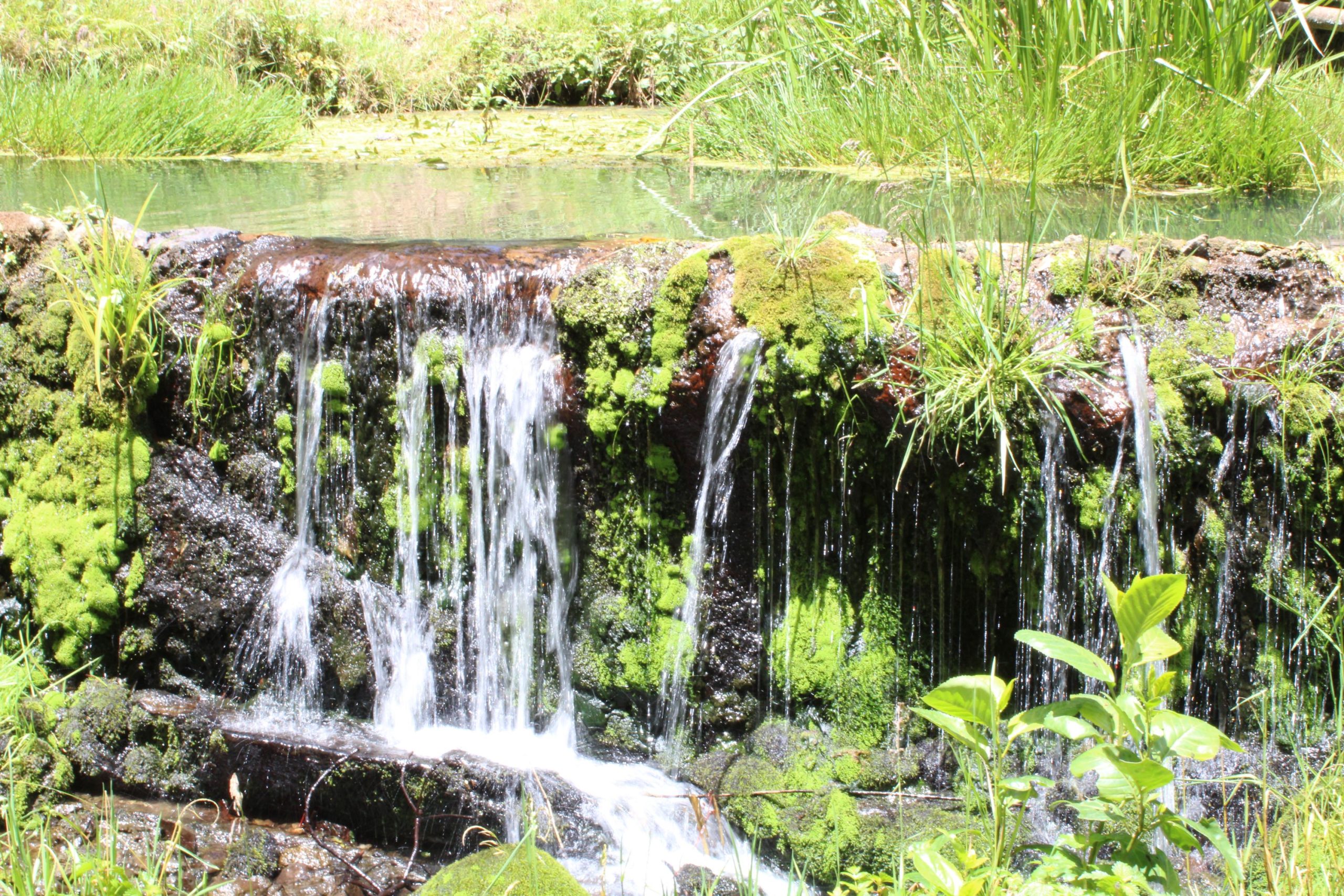
International Day for Biological Diversity (IDB) was proclaimed by the United Nations to increase understanding and awareness of biodiversity issues. When first created by the Second Committee of the UN General Assembly in late 1993, 29 December (the date of entry into force of the Convention of Biological Diversity), was designated ‘The International Day for Biological Diversity’. In December 2000, the UN General Assembly adopted 22 May as IDB, to commemorate the adoption of the text of the Convention on 22 May 1992 by the Nairobi Final Act of the Conference for the Adoption of the Agreed Text of the Convention on Biological Diversity.
Biodiversity refers to the variety of life on Earth, including plants, animals, microorganisms, and the ecosystems they inhabit. Biodiversity is important for ecosystem stability, provision of essential ecosystem services, genetic resources, food security, economic value, cultural and aesthetic value, and as an ethical responsibility. Recognizing the significance of biodiversity and taking action to conserve it is crucial for the long-term sustainability and well-being of both humans and the planet.
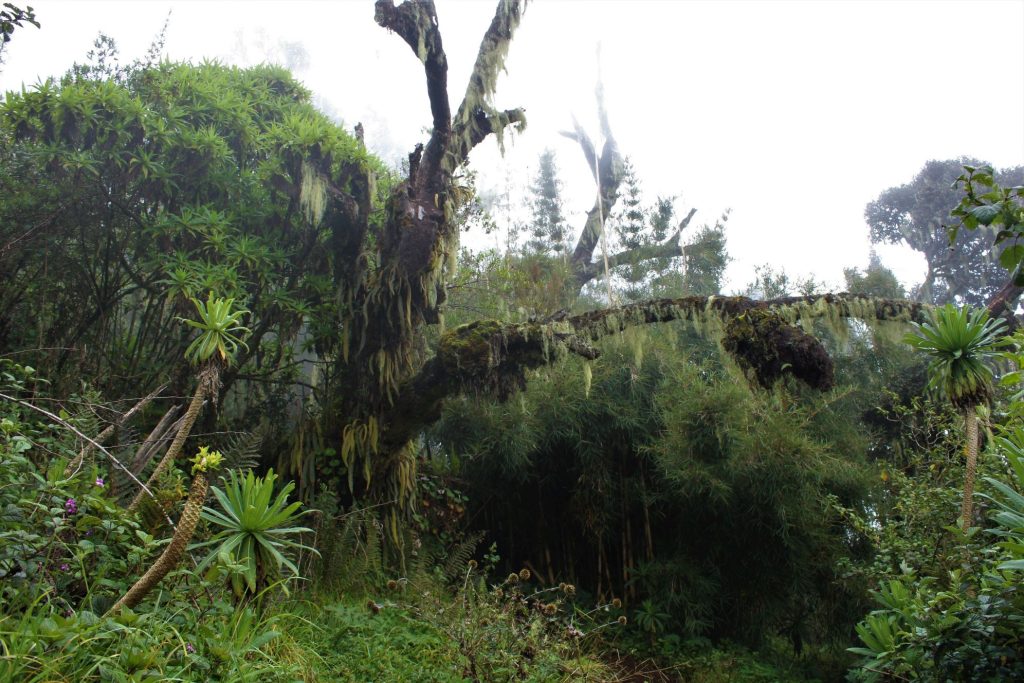
However, biodiversity is under threat due to various activities such as deforestation, pollution, habitat destruction, overexploitation of natural resources, and climate change. Human activities either directly or indirectly lead to threat and/or loss of biodiversity and in some instances a complete extinction of species. Some of the major threats to biodiversity include:
- Habitat loss, degradation and fragmentation: One of the most significant threats to biodiversity is the destruction and fragmentation of their natural habitats. Human activities such as deforestation, urbanization, conversion of land for agriculture, and infrastructure development result in the loss and degradation of critical habitats for many species. Fragmentation of habitats also isolates populations, reducing gene flow and increases the risk of local extinctions.
- Climate change: Climate change poses a significant threat to biodiversity. Rising temperatures, altered precipitation patterns, and extreme weather events disrupt ecosystems and affect the distribution and behaviour of species. Some species may struggle to adapt or migrate to suitable habitats quickly enough, resulting in population declines and increased risk of extinction. Climate change also impacts marine ecosystems through ocean acidification, sea-level rise, and coral bleaching.
- Pollution: Pollution, including air, water, and soil pollution, poses a threat to biodiversity. Pollution from industrial activities, agriculture, improper waste disposal, and chemical contaminants negatively affect ecosystems and the species that depend on them. Pollutants can harm organisms directly or accumulate in the food chain, leading to ecological imbalances and health risks for wildlife and humans.
- Overexploitation and illegal wildlife trade: Unsustainable exploitation of natural resources, such as overfishing, overhunting, and illegal wildlife trade, threatens many species. Demand for products derived from wildlife, including ivory, animal skins, and traditional medicines, drives illegal activities that decimate populations and push species toward extinction.
- Invasive species: whether introduced intentionally or accidentally outside their native range, invasive species can have detrimental effects on native biodiversity. They can outcompete native species for resources, disrupt ecological processes, and alter entire ecosystems. Invasive species are a leading cause of species extinctions on islands and have significant economic and ecological impacts.
- Agricultural intensification: Intensive agricultural practices, including the use of chemical fertilizers, pesticides, and monocultures, have negative impacts on biodiversity. These practices can lead to habitat loss, soil erosion, water pollution, and the loss of pollinators and beneficial organisms. Conversion of natural habitats for agriculture also contributes to biodiversity loss.
- Loss of keystone species: Some species play critical roles in maintaining ecosystem structure and function. The loss of keystone species, which have disproportionate effects on their environment, can lead to cascading impacts on entire ecosystems. The extinction or decline of keystone species can disrupt ecological processes and destabilize ecosystems.
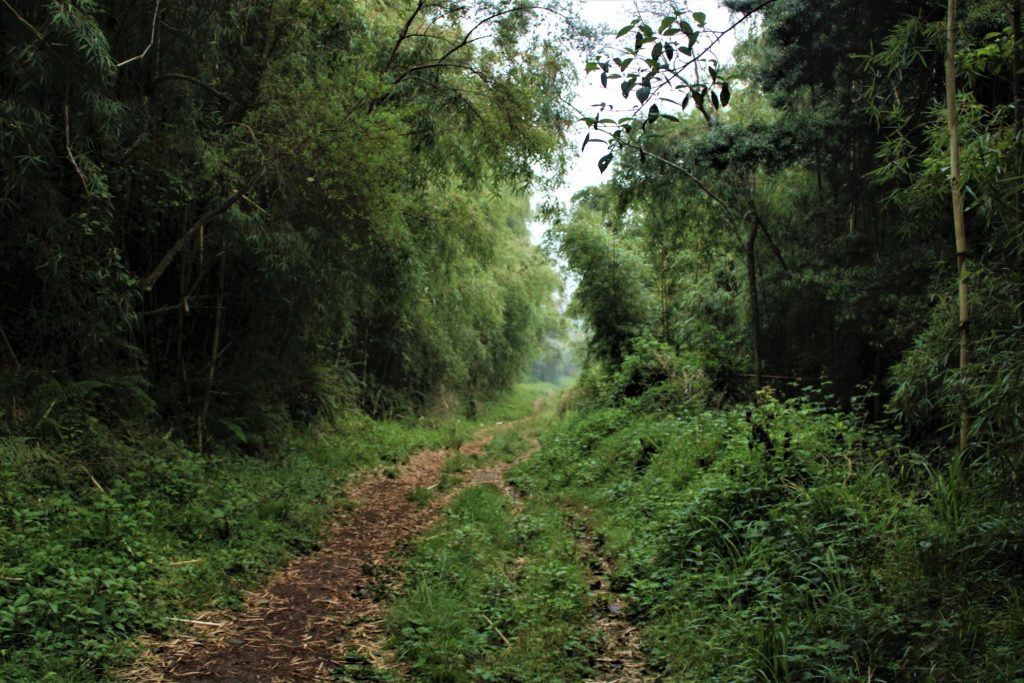
Addressing these threats requires collective action, conservation efforts, sustainable land and resource management practices, and the integration of biodiversity conservation into various sectors such as agriculture, forestry, and urban planning. Protecting and restoring habitats, reducing pollution and greenhouse gas emissions, promoting sustainable use of natural resources, and combating illegal wildlife trade are crucial steps toward safeguarding biodiversity for future generations. This can only be possible through multi-stakeholder approach and collaboration. Agreements have been made in the past, it’s time to turn those agreements into action, because we are running out of time and climate change is wreaking havoc.
Leave a Reply