

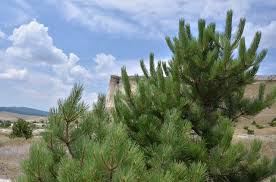
Pine trees are evergreen and coniferous resinous trees. Globally, we have over 40 species of pine. Pine trees are among the most preferred species for commercial forestry in Kenya. This can be attributed to the good wood and timber quality and fast growing as compared to other tree species. In Kenya, the most common pine species are the Pinus patula and Pinus radiata.
Pinus patula
This tree species is also known as the Mexican weeping pine and is native to the Mexican highlands. This Pine species grows in ecological zones between 1600-3000 meters above sea level according to the KEFRI Guide to Tree Planting on Kenya.
The trees are moderately drought tolerant and grow well in areas with an average annual rainfall of between 800mm-1400mm in Kenya. The trees are fast growing and can grow up to 30 meters tall. Propagation for P. patula is done through seeds. The seeds can be directly planted to the nurseries as pre-treatment is not necessary. However, soaking the seeds at least 24 hours can help boost germination according to the Seed Handbook of Kenya.
The Mexican weeping pine has vast uses including wood fuel, timber, fiber, pulp, gum/ resin and also medicinal value. Trees grown for pulp are harvested between 16-20 years while those grown for timber between 20-30 years. The tree species is mainly grown in plantations or in agroforestry practices and are suitable for woodlots establishment. This species is managed in public forests based on Kenya Forest Technical Order No 44:Treatment of Pinus patula
Pinus radiata
The tree species is commonly referred to as Radiata pine. It is a versatile and fast-growing tree species best known for its exotic soft wood. It is also a prolific seed producer that produces seeds at an early age them grows rapidly. The seeds can be stored and planted later. The tree species is often invasive and reduces the biodiversity of some areas. The timber is P. radiata is considered the best quality in Kenya as compared to P. patula.
In the past, P. radiata growing was serious affected by Dothistroma Blight and Diplodea die back. The first lead to the cessation of all planning of the tree species in 1961. The disease weakens the trees killing them at an early age. This species is managed mostly in public forest using Kenya Forest Technical Order No 53: Treatment of Pinus radiata.
Pinus patula (Patula Pine): The Complete Guide to Growing Kenya’s Leading Softwood Timber Tree
Species at a Glance
| Feature | Details |
|---|---|
| Scientific Name | Pinus patula Schiede ex Schltdl. & Cham. |
| Common Name | Patula Pine, Mexican Weeping Pine |
| Family | Pinaceae |
| Origin | Mexico |
| Tree Type | Evergreen conifer |
| Height | 25 to 40 metres |
| Growth Rate | Fast |
| Lifespan | 60 to 100 years |
| Altitude | 1,500 to 3,000 metres above sea level |
| Annual Rainfall | 900 to 2,000 mm |
| Soil Preference | Deep, well-drained acidic soils |
| Drought Tolerance | Moderate |
| Frost Tolerance | Good |
| Main Uses | Construction timber, plywood, pulp, furniture, packaging, biomass |
| Conservation Status | Least Concern |
Few tree species have shaped Kenya’s commercial forestry industry as much as Pinus patula.
Known locally as Patula Pine, this fast-growing softwood has supplied timber for homes, schools, furniture, packaging, and paper for decades. It forms a large share of Kenya’s plantation forests and remains one of the country’s most important commercial timber trees.
Unlike indigenous hardwoods such as Mukau, Patula Pine is an exotic species introduced because of its rapid growth and reliable timber production. It thrives in Kenya’s cooler highland regions, where favourable rainfall and fertile soils allow plantations to mature efficiently.
Today, the species is grown by government agencies, private forestry companies, community forests, and individual farmers. Its consistent market demand and well-established management practices make it one of the safest long-term investments for commercial forestry.
Scientific Classification
Pinus patula belongs to one of the world’s most economically important tree families.
Pines are widely planted across temperate and subtropical regions because they produce high-quality softwood used in construction, manufacturing, and paper production.
| Rank | Classification |
|---|---|
| Kingdom | Plantae |
| Division | Pinophyta |
| Class | Pinopsida |
| Order | Pinales |
| Family | Pinaceae |
| Genus | Pinus |
| Species | Pinus patula |
Unlike flowering trees such as Grevillea or Mukau, pines are conifers. They reproduce through cones rather than flowers and seeds enclosed in fruits.
Common Names
Although the scientific name remains the same worldwide, the species is known by several common names.
| Language | Name |
|---|---|
| English | Patula Pine |
| English | Mexican Weeping Pine |
| Scientific | Pinus patula |
| Kenya | Patula Pine |
The name “Patula Pine” is the one most commonly used by foresters, plantation managers, and timber merchants in Kenya.
Botanical Description
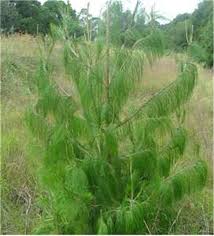
Patula Pine is a tall evergreen tree with a straight trunk and a narrow, conical crown during its early years.
As the tree matures, the crown becomes broader and more irregular while maintaining a strong central stem suitable for timber production.
Under favourable conditions, mature trees commonly reach 25 to 40 metres in height.
The bark starts off smooth and grey on young trees before becoming thick, rough, and deeply fissured with age.
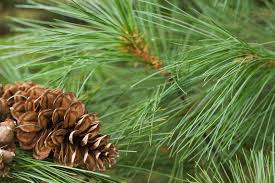
Needles
The needles are one of the easiest ways to identify Patula Pine.
They are:
- Long and slender.
- Soft to the touch.
- Bright to dark green.
- Usually grouped in bundles of three.
- Distinctively drooping.
The long, hanging needles give the tree a graceful appearance and explain why it is often called the Mexican Weeping Pine.
Unlike broadleaf trees, the needles remain on the tree throughout the year, making Patula Pine evergreen.
Cones
Patula Pine produces woody cones that contain winged seeds.
Young cones are green before gradually turning brown as they mature.
Once dry, the cones open naturally and release seeds that are dispersed by wind.
These cones are an important feature for species identification and are the primary source of seed used in commercial nurseries.
Root System
Patula Pine develops a strong root system capable of anchoring large trees.
On deep, well-drained soils, roots penetrate deeply and provide excellent stability.
However, root development can be restricted by shallow or compacted soils, reducing growth and increasing susceptibility to wind damage.
Good soil preparation is therefore essential before establishing plantations.
How to Identify Pinus patula
Patula Pine can be recognised by several distinctive characteristics.
Look for:
- Tall, straight trunk.
- Evergreen crown.
- Long, drooping needles.
- Bundles of three needles.
- Woody brown cones.
- Thick, rough bark on mature trees.
- Strong conical shape in younger trees.
These features distinguish it from Cypress, Grevillea, and Eucalyptus, which are also widely planted in Kenya.
Field Identification Checklist
| Characteristic | Description |
|---|---|
| Crown | Narrow when young, broader with age |
| Bark | Thick, rough, dark grey-brown |
| Leaves | Long drooping needles in bundles of three |
| Flowers | None. Reproduces through cones |
| Fruit | Woody seed cones |
| Growth Form | Tall, straight evergreen conifer |
| Evergreen | Yes |
Why Pinus patula Is Important in Kenya
Kenya’s construction and manufacturing industries rely heavily on plantation-grown softwood.
Patula Pine has become one of the country’s preferred species because it combines rapid growth with reliable timber quality.
Large plantations managed by the Kenya Forest Service, private companies, and community forest associations continue to supply timber for sawmills across the country.
The species also supports thousands of jobs in nursery production, plantation management, harvesting, transport, sawmilling, furniture manufacturing, and construction.
Its importance extends beyond timber.
Well-managed pine plantations reduce pressure on indigenous forests by supplying a sustainable source of wood from dedicated production areas.
Distribution and Natural Habitat
Pinus patula is native to the mountainous regions of central and southern Mexico. Over the past century, it has been introduced into many countries because of its fast growth, straight stem, and excellent timber properties.
Kenya is one of the countries where the species has performed exceptionally well.
Today, Patula Pine forms a significant portion of the country’s commercial softwood plantations and remains one of the most important plantation species for timber production.
Distribution in Kenya
Patula Pine is primarily grown in Kenya’s cool, high-rainfall highlands.
These regions provide the temperatures, rainfall, and deep soils needed for rapid growth and high-quality timber.
Large plantations are found in counties such as:
- Nyandarua
- Nyeri
- Meru
- Embu
- Kirinyaga
- Kericho
- Nandi
- Uasin Gishu
- Elgeyo Marakwet
- Trans Nzoia
- Nakuru
- Bomet
- Kakamega (higher elevations)
- Kiambu (selected areas)
Many of these plantations are managed by the Kenya Forest Service (KFS), while others belong to private companies, community forests, educational institutions, and individual farmers.
Patula Pine is rarely successful in Kenya’s hot, dry lowlands because the climate is unsuitable for healthy growth.
Distribution Around the World
Outside Kenya, Patula Pine is widely planted in:
- South Africa
- Zimbabwe
- Zambia
- Malawi
- Tanzania
- Uganda
- Brazil
- Colombia
- Ecuador
- Australia
- New Zealand
Its popularity comes from its adaptability to cooler climates and its ability to produce commercial timber within relatively short rotations.
Natural Habitat
In its native range, Patula Pine grows on mountain slopes with moderate to high rainfall.
These forests experience cool temperatures, seasonal rainfall, and deep, well-drained soils.
Unlike Mukau, which is naturally adapted to dry woodlands, Patula Pine evolved in moist upland environments.
This explains why the species performs best in Kenya’s central and western highlands.
Ecology
Patula Pine plays a different ecological role from indigenous hardwoods.
As an evergreen conifer, it maintains foliage throughout the year and produces a dense canopy that intercepts rainfall and shades the forest floor.
The tree also produces a thick layer of fallen needles that gradually decompose and contribute organic matter to the soil.
Commercial plantations provide habitat for many birds, insects, and small mammals, although they generally support lower biodiversity than indigenous forests.
For this reason, plantation forestry should complement, not replace, the conservation of Kenya’s natural forests.
Climate Requirements
Patula Pine grows best in cool climates with reliable rainfall.
High temperatures combined with prolonged drought reduce growth and increase susceptibility to pests and diseases.
Ideal climatic conditions include:
| Factor | Preferred Range |
|---|---|
| Altitude | 1,500 to 3,000 metres |
| Annual Rainfall | 900 to 2,000 mm |
| Mean Temperature | 10°C to 22°C |
| Relative Humidity | Moderate to high |
| Frost | Tolerated in moderation |
These conditions are common across many of Kenya’s highland regions.
Soil Requirements
Healthy soils are essential for productive pine plantations.
Patula Pine grows best in:
- Deep volcanic soils.
- Well-drained red soils.
- Sandy loam.
- Loam.
- Slightly acidic forest soils.
The species prefers soils with good drainage because standing water reduces oxygen around the roots and limits growth.
Heavy clay soils that remain wet for long periods are generally unsuitable.
Rainfall Requirements
Patula Pine depends on consistent moisture.
Unlike drought-tolerant species such as Mukau, it requires moderate to high annual rainfall to achieve its full growth potential.
Rainfall between 900 and 2,000 millimetres per year is generally considered ideal.
Extended drought slows growth, increases stress, and may reduce timber quality.
Where rainfall is unreliable, careful site selection becomes even more important.
Altitude
Altitude has a major influence on plantation performance.
The species performs best between 1,500 and 3,000 metres above sea level, where cooler temperatures create favourable growing conditions.
Growth declines at lower elevations where temperatures become excessively warm.
This is why Patula Pine is rarely recommended for Kenya’s coastal or arid counties.
Sunlight
Patula Pine is a light-demanding species.
Young trees require full sunlight for healthy growth and straight stem development.
Dense shade reduces growth and encourages poor form.
Commercial plantations are therefore established in open areas where trees receive adequate sunlight throughout the day.
Root System
Patula Pine develops a deep root system when grown on suitable soils.
This helps anchor mature trees and improves their ability to access moisture during dry periods.
Root development is strongest where soils are deep, loose, and well drained.
Compacted or shallow soils restrict root growth and may increase the risk of trees being blown over during strong winds.
Suitable Plantation Zones
Patula Pine is best suited to:
- Highland commercial plantations.
- Government production forests.
- Private timber estates.
- Community forestry projects.
- Large-scale woodlots.
- Institutional forests.
Its consistent performance has made it one of Kenya’s most reliable plantation softwoods.
Where Patula Pine Is Less Suitable
Although Patula Pine is highly productive in the right environment, it should not be planted everywhere.
It is generally unsuitable for:
- Semi-arid counties.
- Lowland coastal regions.
- Areas with poor drainage.
- Hot tropical lowlands.
- Saline soils.
- Regions with prolonged drought.
Choosing the correct species for local conditions remains one of the most important principles of successful forestry.
Table: Ideal Growing Conditions for Patula Pine
| Requirement | Ideal Condition |
|---|---|
| Altitude | 1,500 to 3,000 m |
| Rainfall | 900 to 2,000 mm |
| Temperature | 10°C to 22°C |
| Sunlight | Full sun |
| Soil | Deep, fertile, well-drained |
| Soil pH | Slightly acidic to neutral |
| Drought Tolerance | Moderate |
| Frost Tolerance | Good |
| Waterlogging | Poor tolerance |
Key Takeaway
Patula Pine performs best in Kenya’s cool, high-rainfall highlands. Deep, well-drained soils, reliable rainfall, and moderate temperatures allow the species to produce fast growth and high-quality softwood. Planting it outside these conditions often results in slower growth, poorer timber, and higher management costs.
Uses and Economic Value
Pinus patula has been at the heart of Kenya’s commercial forestry industry for decades.
It is one of the country’s most important softwood species and supplies timber to construction companies, furniture manufacturers, paper mills, and countless small businesses. Its fast growth, predictable timber quality, and established market have made it the preferred plantation tree for both public and private forestry.
Unlike indigenous hardwoods such as Mukau, which target premium timber markets, Patula Pine is grown to produce large volumes of versatile softwood for everyday use.
Timber Production
Timber is the primary reason Patula Pine is grown.
The wood is classified as a softwood, making it lighter and easier to process than many hardwood species. It machines well, accepts preservatives readily, and can be cut into a wide range of products.
When grown under good management, Patula Pine produces straight stems with minimal defects, making it highly suitable for commercial sawmilling.
Today, thousands of hectares of Patula Pine plantations supply Kenya’s timber industry every year.
Timber Characteristics
Patula Pine timber is valued because it is:
- Straight-grained.
- Light to moderately light in weight.
- Easy to saw and machine.
- Easy to nail and screw.
- Easy to treat with preservatives.
- Stable after proper seasoning.
The wood ranges from pale yellow to light brown and develops a uniform appearance that is suitable for many construction and manufacturing applications.
Although it is softer than hardwoods such as Mukau, it remains one of the most versatile commercial timbers available.
Construction Industry
Much of Kenya’s construction sector depends on plantation-grown pine.
Patula Pine is commonly used for:
- Roof trusses.
- Wall framing.
- Ceiling boards.
- Floor joists.
- Interior panelling.
- Scaffolding.
- Formwork.
- Structural timber.
Its availability and relatively low cost make it one of the most widely used construction timbers in the country.
Furniture Manufacturing
Patula Pine is also widely used in furniture production.
Although hardwoods dominate the premium furniture market, pine remains popular because it is affordable, easy to work with, and readily available.
Common products include:
- Beds.
- Wardrobes.
- Bookshelves.
- Office desks.
- Kitchen cabinets.
- Chairs.
- Storage units.
The timber can be painted, stained, or varnished depending on the desired finish.
Plywood and Veneer
Patula Pine is an important raw material for plywood manufacturing.
Its straight grain and uniform texture make it suitable for producing veneer sheets that are bonded together to create strong engineered wood panels.
Plywood manufactured from pine is widely used in:
- Furniture.
- Cabinetry.
- Interior construction.
- Packaging.
- Building formwork.
Demand for plywood continues to grow as engineered wood products become more common in Kenya’s construction industry.
Pulp and Paper
Patula Pine is one of the principal species used in pulp production.
Its fibres are suitable for manufacturing:
- Writing paper.
- Packaging paper.
- Tissue products.
- Cardboard.
- Paperboard.
The development of plantation forestry has helped reduce dependence on indigenous forests for paper production.
Packaging Industry
Softwood from Patula Pine is widely used to manufacture packaging materials.
Examples include:
- Wooden pallets.
- Crates.
- Boxes.
- Cable drums.
- Export packaging.
These products require timber that is lightweight, easy to machine, and available in large quantities.
Patula Pine meets these requirements well.
Biomass and Energy
Not every tree harvested from a plantation becomes saw timber.
Branches, thinning material, offcuts, and sawmill residues can be used as biomass for energy production.
Common uses include:
- Industrial boilers.
- Biomass fuel.
- Wood pellets.
- Wood chips.
- Firewood.
Making use of these by-products improves resource efficiency and reduces waste across the forestry value chain.
Carbon Sequestration
Fast-growing plantation trees play an important role in climate change mitigation.
Patula Pine absorbs carbon dioxide from the atmosphere and stores carbon within its wood, roots, and surrounding soils.
Large plantations contribute significantly to carbon storage while also supplying renewable timber products that can replace more carbon-intensive construction materials.
As carbon markets continue to develop, well-managed plantations may create additional opportunities for landowners.
Commercial Plantation Forestry
Patula Pine remains one of Kenya’s leading plantation species because it is supported by decades of research and practical experience.
Large plantations are managed by:
- Kenya Forest Service.
- Private forestry companies.
- Timber processors.
- Community forest associations.
- Educational institutions.
- Individual farmers.
Its established supply chain reduces market uncertainty compared with many lesser-known tree species.
Employment and Rural Development
The pine industry supports thousands of livelihoods across Kenya.
Employment is created throughout the forestry value chain, including:
- Seed collection.
- Nursery production.
- Plantation establishment.
- Silvicultural operations.
- Harvesting.
- Timber transport.
- Sawmilling.
- Furniture manufacturing.
- Construction.
Many rural communities depend directly or indirectly on commercial plantation forestry for income.
Why Investors Choose Patula Pine
Commercial investors continue to establish Patula Pine plantations because the species offers several advantages.
These include:
- Proven plantation performance.
- Strong market demand.
- Predictable growth.
- Established silvicultural practices.
- Reliable processing industries.
- Multiple end-use markets.
Although plantation forestry requires patience, the long-term demand for softwood continues to support investment.
Commercial Value
The value of a Patula Pine plantation depends on several factors, including:
- Site quality.
- Stocking density.
- Pruning.
- Thinning.
- Rotation length.
- Timber grading.
- Market demand.
Well-managed plantations consistently produce larger, straighter logs that command higher prices.
Management quality often has a greater influence on profitability than growth rate alone.
Table: Major Uses of Pinus patula
| Use | Importance | Typical Users |
|---|---|---|
| Construction Timber | Very High | Builders, contractors |
| Furniture | High | Carpenters, manufacturers |
| Plywood | High | Panel manufacturers |
| Pulp and Paper | Very High | Paper mills |
| Packaging | High | Exporters, manufacturers |
| Biomass | Medium | Energy producers |
| Carbon Storage | Growing | Climate initiatives |
| Plantation Forestry | Very High | Farmers, forestry companies |
Is Patula Pine a Good Investment?
For landowners in Kenya’s highland regions, Patula Pine remains one of the safest commercial forestry investments.
It has a mature market, well-developed management practices, and a reliable processing industry. These factors reduce many of the uncertainties associated with newer plantation species.
However, success depends on selecting the right site and managing the plantation properly.
Poor pruning, delayed thinning, unsuitable soils, or planting outside the species’ preferred climatic range can significantly reduce timber quality and financial returns.
When matched to suitable highland conditions, Patula Pine continues to provide a dependable source of softwood for Kenya’s growing economy.
Key Takeaway
Patula Pine remains the backbone of Kenya’s softwood industry because it combines fast growth, reliable timber quality, and strong market demand. From construction and furniture to paper production and biomass, few plantation species contribute as broadly to the country’s forestry economy. Well-managed plantations provide long-term value while supporting employment, sustainable timber production, and climate resilience.
Propagation and Plantation Management
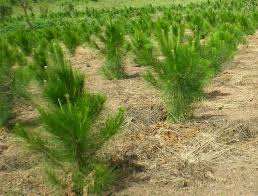
A productive Patula Pine plantation does not happen by chance.
The quality of the planting material, the suitability of the site, and the management practices applied during the first few years determine how much timber a plantation will eventually produce. Trees that receive proper care develop straighter stems, fewer defects, and higher-value logs.
Because Patula Pine is a long-term investment, good management from the beginning delivers benefits throughout the rotation.
Propagation
Pinus patula is propagated almost entirely from seed.
Commercial forestry organisations, including the Kenya Forest Service (KFS) and the Kenya Forestry Research Institute (KEFRI), use carefully selected seed sources to produce vigorous seedlings with desirable growth characteristics.
Using certified seed improves plantation performance and helps maintain consistent timber quality.
Seed Collection
Healthy plantations begin with quality seed.
Seed should be collected from mature trees that demonstrate:
- Straight stems.
- Rapid growth.
- Good branching habit.
- Healthy crowns.
- Freedom from pests and diseases.
Commercial seed orchards are preferred because they provide improved genetic material that has been selected for plantation forestry.
Seed Preparation
Patula Pine seed requires very little treatment before sowing.
Fresh seed generally produces the highest germination rates.
Before planting:
- Remove damaged or empty seed.
- Store seed in cool, dry conditions if necessary.
- Sow in clean nursery media.
Good hygiene during seed handling reduces the risk of fungal diseases in the nursery.
Nursery Management
Seedlings are normally raised in containers before being transplanted into the field.
The nursery should provide:
- Good drainage.
- Adequate sunlight.
- Regular watering.
- Weed control.
- Protection from pests.
Watering should keep the growing media moist without becoming waterlogged.
Excess moisture encourages fungal diseases that can destroy young seedlings.
Choosing Quality Seedlings
Strong seedlings establish more quickly after planting.
Healthy seedlings should have:
- Straight stems.
- Bright green needles.
- Well-developed root systems.
- Uniform growth.
- No signs of disease or insect damage.
Avoid planting seedlings that appear weak, root-bound, discoloured, or damaged.
The quality of the seedling often determines the future quality of the plantation.
Site Selection
Patula Pine performs best where environmental conditions closely match its natural habitat.
Suitable sites should provide:
- Deep soils.
- Reliable rainfall.
- Good drainage.
- Cool temperatures.
- Full sunlight.
Selecting an unsuitable site is one of the most common causes of poor plantation performance.
Land Preparation
Proper site preparation improves seedling survival and early growth.
Before planting:
- Clear excessive weeds.
- Mark planting lines.
- Dig planting holes before the rainy season.
- Loosen compacted soil.
- Return fertile topsoil to each planting hole.
On degraded sites, incorporating well-decomposed organic matter can improve soil structure and moisture retention.
Best Time to Plant
The best planting time is at the beginning of the rainy season.
This allows seedlings to establish strong root systems while soil moisture is readily available.
Planting too late reduces survival because young trees experience moisture stress before roots become fully established.
In areas with two rainy seasons, either planting window may be suitable if rainfall is reliable.
Spacing
Proper spacing is essential for producing quality timber.
Trees planted too closely compete for light and nutrients.
Trees planted too far apart develop larger branches, resulting in lower-quality timber.
Typical plantation spacing includes:
| Objective | Recommended Spacing |
|---|---|
| Commercial timber | 3 m × 3 m |
| High-density plantations | 2.5 m × 2.5 m |
| Small farm woodlots | 3 m × 3 m |
| Demonstration plots | According to management objectives |
Spacing may be adjusted depending on thinning schedules and management goals.
Weed Management
Young pine seedlings compete poorly with weeds.
Effective weed control during the first two to three years significantly improves growth.
Common methods include:
- Manual weeding.
- Mulching.
- Controlled herbicide application where appropriate.
Maintaining a weed-free area around each seedling reduces competition for water and nutrients.
Fertility Management
Patula Pine generally performs well on fertile forest soils.
Where soil fertility is low, nutrient deficiencies may slow growth.
A soil test provides the best guide for fertiliser application.
Balanced nutrition encourages:
- Faster height growth.
- Stronger stems.
- Better root development.
- Improved plantation uniformity.
Excess fertiliser should be avoided because it increases costs without necessarily improving timber production.
Pruning
Pruning improves timber quality by producing long sections of knot-free wood.
Lower branches should be removed while they are still small.
Early pruning allows wounds to heal quickly and reduces defects within the timber.
Only selected branches should be removed during each pruning operation to avoid excessive stress.
Form Pruning
Occasionally, young trees develop multiple leaders following storm damage or insect attack.
Where this occurs, the weaker leaders should be removed early.
Maintaining a single dominant stem produces straighter logs that are easier to process and command higher market prices.
Thinning
As plantations mature, competition between trees increases.
Thinning removes selected trees to provide additional growing space for the remaining crop.
Benefits include:
- Larger stem diameter.
- Faster growth.
- Improved stand stability.
- Better timber quality.
- Reduced competition.
The trees removed during thinning may be sold as poles, pulpwood, or biomass, generating income before the final harvest.
Fire Management
Fire is one of the greatest threats to pine plantations.
Dry needles, branches, and grass create fuel that can spread fire rapidly.
Good fire management includes:
- Firebreak maintenance.
- Regular fuel reduction.
- Community awareness.
- Early fire detection.
- Rapid response plans.
Even a single uncontrolled fire can destroy years of investment.
Harvesting
Harvesting age depends on the intended timber product.
Typical rotations include:
| Product | Approximate Rotation |
|---|---|
| Pulpwood | 10 to 15 years |
| Poles | 15 to 20 years |
| Sawlogs | 20 to 30 years |
Rotation length may vary depending on site quality, rainfall, and management intensity.
Longer rotations generally produce larger logs with higher market value.
Common Plantation Mistakes
Many plantation problems can be traced to poor management rather than poor genetics.
Common mistakes include:
- Planting outside suitable climatic zones.
- Poor weed control.
- Delayed pruning.
- Skipping thinning operations.
- Poor fire management.
- Planting low-quality seedlings.
- Poor drainage.
- Harvesting too early.
Avoiding these mistakes improves both timber quality and financial returns.
Table: Best Management Practices for Patula Pine
| Practice | Recommendation |
|---|---|
| Planting Season | Beginning of the rainy season |
| Seed Source | Certified seed orchard or nursery |
| Site | Cool, high-rainfall highlands |
| Weed Control | Regular during first three years |
| Pruning | Early and gradual |
| Thinning | Scheduled throughout rotation |
| Fire Protection | Maintain firebreaks and monitor regularly |
| Harvest Planning | Match rotation to final timber product |
Key Takeaway
Successful Patula Pine plantations depend on disciplined management rather than rapid growth alone. High-quality seedlings, careful site selection, timely pruning, planned thinning, and effective fire protection all contribute to producing straight, high-value softwood that meets the needs of Kenya’s timber industry.
Pests and Diseases
Patula Pine is a hardy plantation species, but like all commercial trees, it is vulnerable to certain pests and diseases. The level of damage depends on plantation management, site conditions, and how quickly problems are detected.
Healthy plantations experience fewer outbreaks because vigorous trees are naturally more resistant to stress and infection.
Regular inspections allow forest managers to identify problems before they spread across large areas.
Common Insect Pests
Several insects can affect Patula Pine at different stages of growth.
The most common include:
- Pine aphids
- Bark beetles
- Pine weevils
- Defoliating caterpillars
- Cone and seed insects
- Termites affecting young seedlings
Young plantations require the closest monitoring because seedlings are less able to recover from severe damage.
Large, healthy trees usually tolerate minor insect attacks without significant losses.
Pine Bark Beetles
Bark beetles are among the most serious pests affecting pine plantations worldwide.
These insects bore beneath the bark, where they feed and lay eggs. Heavy infestations interrupt the movement of water and nutrients, eventually killing weakened trees.
Outbreaks are more likely to occur in plantations affected by drought, fire damage, overcrowding, or poor management.
Removing severely infested trees helps reduce the spread of beetles.
Aphids
Pine aphids feed by sucking sap from young shoots and needles.
Heavy infestations may cause:
- Yellowing needles.
- Reduced growth.
- Distorted shoots.
- Premature needle drop.
Natural predators such as ladybirds often keep aphid populations under control, reducing the need for chemical intervention.
Termites
Although mature Patula Pines are generally resistant, termites can damage young seedlings during establishment.
The risk is highest in newly planted sites where dry conditions limit other food sources.
Maintaining healthy seedlings and avoiding moisture stress greatly improves survival.
Common Diseases
Most diseases affecting Patula Pine are caused by fungi.
Disease development is strongly influenced by humidity, poor drainage, overcrowding, and mechanical injuries.
Important diseases include:
- Damping-off in nurseries.
- Needle blight.
- Root rot.
- Stem cankers.
- Blue stain fungi following bark beetle attacks.
Good plantation hygiene remains the best defence.
Damping-Off
Damping-off affects seedlings in nurseries.
The disease causes young plants to collapse shortly after germination.
It spreads rapidly where:
- Drainage is poor.
- Watering is excessive.
- Seedlings are overcrowded.
- Hygiene is poor.
Using clean growing media and maintaining adequate spacing greatly reduces the risk.
Needle Diseases
Several fungal pathogens attack pine needles.
Symptoms include:
- Brown needles.
- Premature needle drop.
- Reduced photosynthesis.
- Slower growth.
Although individual infections are often manageable, repeated outbreaks reduce plantation productivity.
Maintaining good airflow through appropriate spacing helps minimise disease development.
Root Diseases
Poor drainage creates favourable conditions for root diseases.
Infected trees may show:
- Slow growth.
- Yellowing foliage.
- Wilting.
- Crown dieback.
- Sudden collapse.
Selecting well-drained planting sites remains the most effective preventive measure.
Signs of an Unhealthy Plantation
Routine monitoring should become part of every plantation management plan.
Warning signs include:
- Discoloured needles.
- Dead branch tips.
- Leaning trees.
- Excessive resin flow.
- Bark damage.
- Stunted growth.
- Early needle shedding.
- Dead patches within the plantation.
Early diagnosis often prevents larger economic losses.
Integrated Pest and Disease Management
Modern forestry focuses on prevention rather than routine chemical treatment.
Good management includes:
- Purchasing certified seedlings.
- Planting on suitable sites.
- Maintaining recommended spacing.
- Pruning correctly.
- Removing diseased trees.
- Monitoring plantations regularly.
- Maintaining plantation hygiene.
Chemical control should only be used when necessary and as part of an integrated management programme.
Conservation Status
Unlike indigenous species such as Mukau, Patula Pine is not native to Kenya.
It was introduced from Mexico specifically for plantation forestry because of its outstanding growth and timber qualities.
Globally, Pinus patula is classified as a species of Least Concern, and it remains widely cultivated around the world.
In Kenya, it plays an important role in reducing pressure on indigenous forests by supplying timber from dedicated plantations rather than natural ecosystems.
Environmental Considerations
Commercial plantations provide significant economic benefits, but they should be managed responsibly.
Large areas planted with a single species support fewer plant and animal species than natural forests.
Modern forestry increasingly encourages mixed landscapes that combine:
- Commercial plantations.
- Indigenous forests.
- Riparian buffers.
- Wildlife corridors.
- Community forests.
This approach balances timber production with biodiversity conservation.
Climate Change and Future Outlook
Climate change is reshaping forestry across East Africa.
Changing rainfall patterns, rising temperatures, and more frequent droughts are influencing where different tree species can be grown successfully.
Patula Pine is expected to remain an important plantation species in Kenya’s cooler highlands. However, its suitability may decline in lower-altitude areas that become warmer and drier.
Researchers are therefore focusing on:
- Improved genetic material.
- Climate-resilient seed sources.
- Better plantation management.
- Precision forestry technologies.
- Landscape restoration.
These efforts will help maintain productivity while adapting to future climate conditions.
Similar Species
Patula Pine is often compared with other commercial trees grown in Kenya.
Each species serves different markets and performs best under different environmental conditions.
| Feature | Pinus patula | Cupressus lusitanica | Grevillea robusta | Melia volkensii |
|---|---|---|---|---|
| Origin | Mexico | Mexico | Australia | Kenya |
| Timber Type | Softwood | Softwood | Hardwood | Hardwood |
| Growth Rate | Fast | Moderate to Fast | Fast | Fast |
| Best Climate | Highlands | Highlands | Moderate Highlands | Drylands |
| Drought Tolerance | Moderate | Moderate | Moderate | Excellent |
| Main Use | Timber, pulp | Timber, poles | Furniture, agroforestry | Premium hardwood |
| Agroforestry | Limited | Limited | Excellent | Excellent |
Choosing between these species depends more on site conditions and management objectives than on growth rate alone.
Should You Plant Patula Pine?
Patula Pine is an excellent choice if your land meets its environmental requirements.
It is particularly suitable if you:
- Farm in Kenya’s highlands.
- Have reliable rainfall.
- Want to establish a commercial timber plantation.
- Plan for long-term investment.
- Have access to timber markets.
- Can actively manage the plantation.
You should consider another species if:
- Your land is semi-arid.
- Rainfall is consistently low.
- The site experiences frequent drought.
- The soil remains waterlogged for long periods.
Selecting the right tree for the right location remains one of the most important decisions in forestry.
Frequently Asked Questions
Is Pinus patula native to Kenya?
No. It is native to Mexico and was introduced into Kenya for commercial plantation forestry.
How fast does Patula Pine grow?
It is a fast-growing softwood. Growth depends on rainfall, soil quality, altitude, and plantation management.
Where does Patula Pine grow best in Kenya?
It performs best in cool, high-rainfall areas between 1,500 and 3,000 metres above sea level.
What is Patula Pine used for?
It is widely used for construction timber, furniture, plywood, pulp, paper, packaging, and biomass.
How long does Patula Pine take to mature?
Rotation ages typically range from 20 to 30 years for sawlogs, depending on management objectives.
Can Patula Pine be planted on farms?
Yes. It can be grown on farms where climatic conditions are suitable, although it is generally more appropriate for woodlots than crop-based agroforestry systems.
Does Patula Pine require pruning?
Yes. Early pruning improves timber quality by producing straighter stems and reducing knots.
Is Patula Pine profitable?
Well-managed plantations in suitable highland areas can provide strong long-term returns because of the consistent demand for softwood timber.
Is Patula Pine better than Cypress?
Neither species is universally better. Both are widely grown in Kenya, and the best choice depends on local conditions, management goals, and market demand.
Does Patula Pine support climate action?
Yes. Well-managed plantations capture and store carbon while supplying renewable timber that reduces pressure on natural forests.
Final Thoughts
Pinus patula has earned its place as one of Kenya’s most important commercial forestry species.
Its combination of fast growth, dependable timber quality, and well-established markets has made it the backbone of the country’s softwood industry. From construction timber and plywood to pulp and furniture, few plantation trees contribute as broadly to Kenya’s economy.
Success with Patula Pine begins long before the first tree is planted. Selecting the right site, using quality seedlings, and applying sound silvicultural practices all influence the quality of the final harvest.
As Kenya’s demand for sustainably produced timber continues to grow, well-managed pine plantations will remain an essential part of the country’s forestry sector. For landowners in suitable highland regions, Patula Pine offers a proven opportunity to produce renewable timber while supporting rural livelihoods and reducing pressure on indigenous forests.
As Forestry.co.ke expands, you’ll also find detailed guides on pine plantation establishment, pruning schedules, thinning regimes, timber grading, harvesting methods, seed production, and commercial plantation economics, helping you manage productive and sustainable Patula Pine plantations from seedling to harvest.
Suggested Tags:
Pinus patula, Patula Pine, Pine Tree Kenya, Softwood Trees, Commercial Forestry, Timber Trees Kenya, Pine Plantation, Sustainable Forestry, Forestry in Kenya
Leave a Reply